
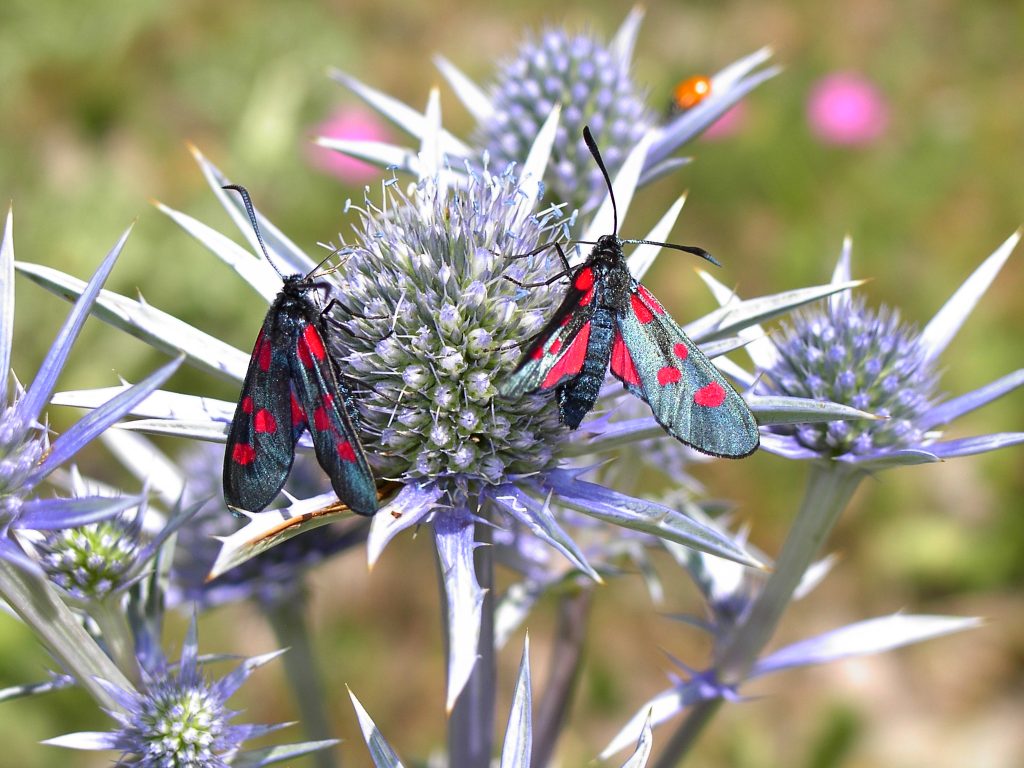
Wild pollinators are in decline worldwide, with severe consequences for ecosystems and societies. Seventy-five percent of the world’s major crops depend to some extent on these insects to produce fruits and seeds, and in Europe, it is estimated that 50% of agricultural land suffers from a pollination deficit.
To reverse this trend in Catalonia, the PIPOL, the Intersectoral Plan for the Conservation of Wild Pollinators in Catalonia, has been launched. It has been collaboratively designed through an Intersectoral Working Commission (CIT) involving over 60 people from various sectors and administrations. Open seminars and a public participation process were also conducted through the participa.gencat.cat portal.
The PIPOL defines goals and measures to be implemented by 2030, structured into six priority areas. Alongside the crucial roles of social and economic sectors and administrations, the Plan involves the broader Catalan society in achieving its objectives.
The Department of Territory, Housing, and Energy Transition of the Government of Catalonia will coordinate the implementation of the proposed actions. An Intersectoral Commission for Wild Pollinators (CIPS) will be established as a stable space for participation among the involved sectors.
Minuartia has collaborated with the Government of Catalonia by providing technical support for the development of the PIPOL, including the participatory process.
The PIPOL can be downloaded here .
And if you want to learn more about Wild Pollinator Conservation, you can check here.
