
Urbanization is rapidly increasing worldwide, with nearly 60% of the global population currently residing in cities, and it is expected to reach 68% by 2050. In the tropical Andes region, managing these changes poses significant challenges, including biodiversity loss and vulnerability to climate change.
The article ’New criteria for sustainable land use planning of metropolitan green infrastructures in the tropical Andes’, co-authored by Joan Marull, head of the R&D area at MINUARTIA, evaluates urban growth along with the impacts of agricultural intensification on the ecological functionality of metropolitan green infrastructure and its capacity to provide ecosystem services, using a socio-metabolic landscape approach. Specifically, it aims to identify territorial configurations that promote socio-ecological sustainability amidst rapid urbanization.
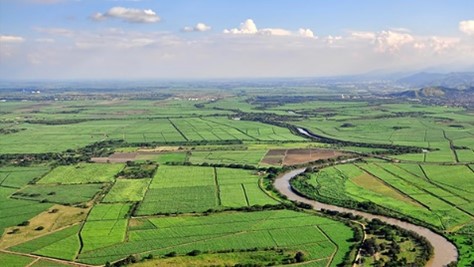
An innovative socio-metabolic landscape model has been used to evaluate the interactions between land use changes and ecosystem functions in the metropolitan region of Cali. Agricultural intensification and industrialization, along with uncontrolled urban growth, have transformed the landscape, putting its sustainability at risk. However, the research results indicate that traditional bio-cultural landscapes that still persist in the territory have great potential to offer essential ecosystem services for the metropolis. This research highlights the importance of adopting a metabolic approach to green infrastructure to guide territorial policies in the tropical Andes and underscores the opportunities presented by bio-cultural landscapes for regional sustainability in a context of rapid urbanization and agricultural expansion.
